

How to Identify Gold Coins: 7 Reliable Tests
Table of Contents
- Why Knowing How to Identify Gold Coins Matters
- Visual Inspection: Hallmarks, Mint Marks, and Surface Details
- The Ping Test, Magnet Test, and Ceramic Streak Test
- Weight, Diameter, and Thickness: Using Digital Scales and Calipers
- Gold Coin Testing Tools for Home Verification
- How to Spot Fake Gold Coins: Common Counterfeit Trends by Type
- Using a Metal Detector for Gold Coins in the Field
- How to Identify Gold Coins: Putting It All Together
Last Updated: August 22, 2026
Why Knowing How to Identify Gold Coins Matters
Gold coins are among the most rewarding finds for metal detectorists, coin collectors, and estate buyers alike. The ability to identify gold coins accurately separates a confident collector from someone who gets burned by a convincing fake. Counterfeit gold coins have flooded secondary markets for decades, and modern fakes have become sophisticated enough to fool casual inspectors. A coin that passes a quick visual check can still be a gold-plated tungsten blank.
This guide covers seven reliable methods to identify gold coins, from free home tests you can run in minutes to professional-grade verification tools.
Authentic gold coins are genuine minted pieces composed of a high-purity gold alloy, typically measured in troy ounces and expressed as a fineness or karat value, that match the specifications published by their issuing mint.
| Test Method | Equipment Needed | Destructive? | Best For |
|---|---|---|---|
| Visual Inspection | Magnifier, good lighting | No | First-pass screening |
| Ping Test | Hard surface | No | Quick audio check |
| Magnet Test | Neodymium magnet | No | Ruling out ferrous fakes |
| Ceramic Streak Test | Unglazed ceramic tile | Slightly | Confirming gold presence |
| Weight and Dimensions | Digital scale, calipers | No | Precise specification match |
| Specific Gravity | Scale, water container | No | Density verification |
| Acid Testing | Acid test kit | Yes | Professional confirmation |
Visual Inspection: Hallmarks, Mint Marks, and Surface Details
Visual inspection is always the first step when you want to identify gold coins, and it eliminates a surprising number of fakes before you ever pick up a tool.
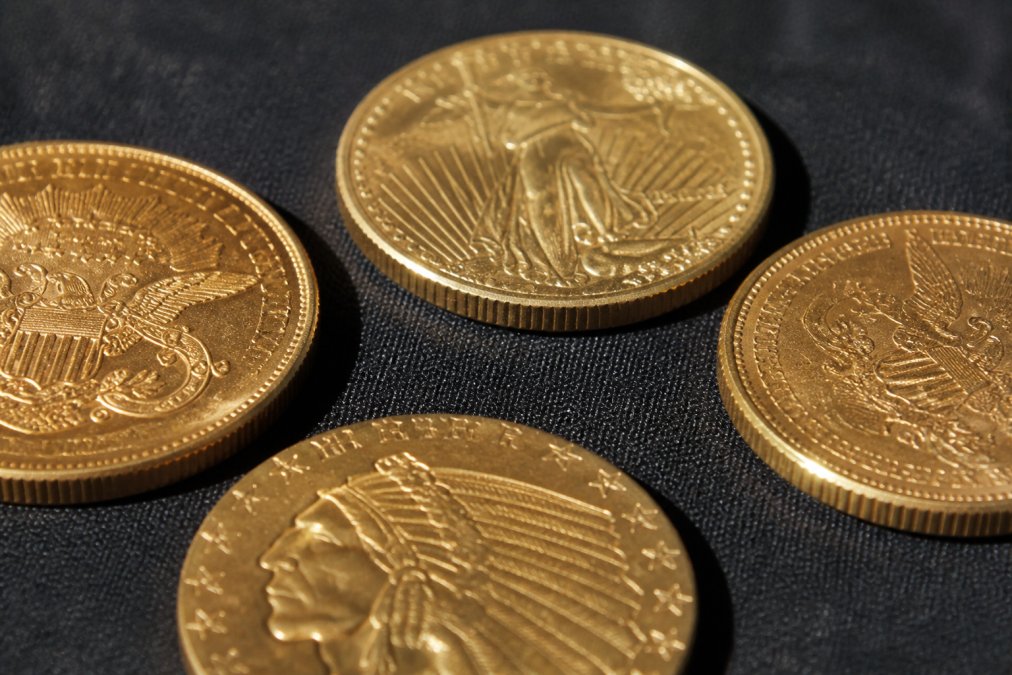
Reading Hallmarks and Fineness Stamps
Hallmarks are official stamps indicating the metal's purity, the mint of origin, and often the year of production. On American gold coins, the fineness is expressed as a karat value or decimal purity. A genuine American Gold Eagle carries a ".9167" fineness designation, while a Gold Buffalo reads ".9999." These stamps should be crisp, evenly struck, and consistent with the coin's date of issue.
Mint marks are equally telling. The "W" for West Point, "P" for Philadelphia, and "S" for San Francisco appear in specific locations on specific coins. A misplaced or absent mint mark is an immediate red flag. Cross-reference what you find against the U.S. Mint official coin specifications to verify placement and expected appearance.
Examine the coin's patina as well. Genuine older gold coins develop a natural, even patina over decades. Artificial toning often appears blotchy or too uniform.
Edge Reeding and Strike Quality
Edge reeding, the small parallel ridges running around the circumference of many gold coins, is one of the hardest details for counterfeiters to replicate accurately. On genuine coins, reeding is uniform in depth and spacing. On fakes, it's often uneven, too shallow, or missing entirely.
Strike quality refers to how sharply the design elements are rendered. Authentic coins from major mints show crisp, well-defined relief. Soft details, mushy lettering, or filled fields suggest a cast counterfeit rather than a struck coin. A 10x loupe is enough to spot these differences clearly.
The Ping Test, Magnet Test, and Ceramic Streak Test
Three simple, non-destructive tests can be performed at home in under five minutes with minimal equipment.
The Ping Test
When a real gold coin is balanced on a fingertip and tapped with another coin or a pen, it produces a long, clear, high-pitched ring that sustains for a second or two. Base metal fakes produce a dull thud or a flat, short tone. Gold's density and crystalline structure create that characteristic resonance. This test is most reliable for coins with fineness above .900. Plated coins can sometimes partially pass, which is why the ping test should never be used alone.
The Magnet Test
Gold is not magnetic. A genuine gold coin held near a strong neodymium magnet should show absolutely no attraction. If the coin pulls toward the magnet or sticks to it, it contains ferrous metal and is not solid gold. However, passing the magnet test does not confirm authenticity. Many base metals used in counterfeits, including copper, zinc, and tungsten, are also non-magnetic. Use this test to eliminate obvious fakes, not to confirm genuine ones.
The Ceramic Streak Test
An unglazed ceramic tile works as a basic assay surface. Draw the coin firmly across the tile. Genuine gold leaves a yellow-gold streak. Base metals leave a black or gray streak. This test does cause minor surface abrasion, so apply it only to coins of uncertain value. For numismatic pieces with collector premium, skip this test and move directly to professional verification.
Weight, Diameter, and Thickness: Using Digital Scales and Calipers
Specification verification is one of the most reliable non-destructive methods available. Every legitimate gold coin is produced to precise tolerances, and deviating from those specifications is a near-certain sign of a fake.
A quality digital scale accurate to 0.01 grams is essential. A genuine American Gold Eagle (1 oz) weighs exactly 33.931 grams. A Gold Buffalo (1 oz) weighs exactly 31.103 grams. Any meaningful deviation warrants serious suspicion. Weight tolerance on genuine mint coins is extremely tight, typically within 0.05 grams of the stated specification.
Digital calipers add another verification layer. A 1 oz Gold Eagle measures 32.70 mm in diameter and 2.87 mm thick. These measurements are published by the U.S. Mint and are freely verifiable. A coin that's slightly too thick or too wide often indicates it's a gold-plated base metal blank.
Specific gravity testing extends this further. Gold has a specific gravity of approximately 19.3. To test, weigh the coin dry, then weigh it suspended in water. The ratio reveals the material's density. Tungsten, the most common high-end counterfeit material, has a specific gravity of 19.25, making it nearly indistinguishable by this method alone. However, specific gravity testing still catches the majority of copper, zinc, and lead-core fakes immediately.
Gold Coin Testing Tools for Home Verification
The right gold coin testing tools make the difference between confident identification and educated guessing.
Non-Destructive Technological Testing Options
Sigma Metalytics testers use precious metal verification technology that measures electrical resistivity. Gold, silver, and platinum each have distinct resistivity signatures, and the device can test through a coin's surface without scratching or damaging it. These devices are widely used by coin dealers and can identify gold-plated tungsten fakes that pass visual, weight, and magnet tests.
XRF (X-ray fluorescence) analyzers are the professional standard. They bombard the coin's surface with X-rays and measure the fluorescent energy returned, which corresponds to specific elements and their concentrations. XRF analysis can confirm purity to within fractions of a percent without touching the coin. Many coin dealers, pawn shops, and assay offices offer XRF testing as a service.
Ultrasonic thickness gauges measure how sound waves travel through a coin. Because tungsten and gold have different acoustic properties despite similar densities, ultrasonic testing can detect tungsten-core fakes that fool specific gravity measurements.
As documented in American Numismatic Association's authentication resources, professional authentication remains the gold standard for high-value numismatic coins.
Acid Testing: When to Leave It to Professionals
Acid testing involves applying a small amount of nitric acid to a coin's surface to observe the chemical reaction. Genuine gold resists acid; base metals react visibly. This test is genuinely effective, but it permanently damages the coin's surface.
For bullion coins worth melt value only, a professional acid test at a reputable coin dealer is reasonable. For any coin with numismatic value above its gold content, acid testing destroys exactly what makes the coin worth more than spot price.
How to Spot Fake Gold Coins: Common Counterfeit Trends by Type
Counterfeiters follow the money. The most frequently faked gold coins are the ones with the highest recognition and market liquidity: American Gold Eagles, South African Krugerrands, and pre-1933 American gold pieces like the Saint-Gaudens Double Eagle.
Common Signs of Counterfeit Coins
Common signs of counterfeit coins include:
- Seams or casting lines along the edge, indicating the coin was cast in a mold rather than struck
- Incorrect weight that deviates more than 0.1 grams from the mint specification
- Mushy or soft design detail in high-relief areas like hair strands or feathers
- Wrong color tone: genuine gold has a warm, consistent yellow; plated coins often show slightly different hues at the edges
- Incorrect edge reeding count: the number of reeds on genuine coins is fixed and documented
- Artificial luster that looks too uniform or too bright compared to genuine struck coins
Pre-1933 coins deserve special scrutiny. The Saint-Gaudens Double Eagle has been replicated in enormous quantities. The Professional Coin Grading Service authentication standards provides detailed diagnostics for known counterfeits of this series.
Tungsten-core fakes represent the most sophisticated threat. These coins are made with a tungsten blank plated in gold, exploiting tungsten's near-identical density to gold. They pass magnet tests, ping tests, and even basic weight checks. Detecting them requires XRF analysis, ultrasonic testing, or specific gravity measurement precise enough to catch the 0.3% density difference.
Legal and Insurance Implications of Fake Coins
Possessing a counterfeit coin is not inherently illegal if you received it unknowingly. Knowingly passing a counterfeit coin as genuine, however, violates federal law under Title 18 U.S. Code Section 331, federal counterfeit coin statutes, which covers fraudulent passing of altered or counterfeit coins.
For insurance purposes, a gold coin collection requires a professional appraisal to be covered accurately. Most homeowner policies do not cover coin collections above a minimal threshold without a scheduled rider. Professional authentication before insuring is essential if you're building a serious collection.
Using a Metal Detector for Gold Coins in the Field
Finding gold coins in the field starts long before any bench testing. A quality metal detector is your first identification tool.

Gold coins present a specific signal profile. They're dense, non-ferrous, and typically small, which means they register as high-conductivity targets on most VLF detectors. On a properly calibrated machine, a gold coin produces a tight, repeatable signal in the upper conductivity range, distinct from pull tabs and foil. Gold alloys vary in conductivity depending on karatage, so a 22-karat gold coin reads differently than an 18-karat piece.
Pulse induction detectors excel in highly mineralized ground and wet sand, where VLF machines struggle with false signals. For beach hunting or sites with heavy iron contamination, PI technology often recovers gold targets that a VLF machine would miss or misidentify.
How to Identify Gold Coins: Putting It All Together
No single test definitively proves a coin is genuine gold. The real method to identify gold coins is a layered approach where each test either raises or lowers confidence, and you escalate to more sophisticated methods when doubt remains.
Start with visual inspection. Examine hallmarks, mint marks, strike quality, and edge reeding under magnification. Move to the ping test and magnet test for a quick non-destructive screen. Weigh the coin and measure its diameter and thickness against published mint specifications. If the coin passes all of these checks, run a specific gravity test if you have the setup for it.
For any coin where value justifies the cost, send it to a professional authentication service. The Professional Coin Grading Service (PCGS) and Numismatic Guaranty Company (NGC) both offer grading and authentication that encapsulates coins in tamper-evident holders, providing permanent documentation of authenticity.
| Confidence Level | Tests Passed | Recommended Next Step |
|---|---|---|
| Low | Visual only | Run ping, magnet, weight tests |
| Moderate | Visual + physical tests | Specific gravity or Sigma tester |
| High | All home tests pass | Professional XRF or NGC/PCGS submission |
| Confirmed | Professional authentication | Insure and document |
Frequently Asked Questions
How can I tell if a gold coin is actually gold at home?
Start with the magnet test: real gold has no magnetic susceptibility, so a strong magnet should not attract it. Follow up with the ping test, a genuine gold coin produces a clear, sustained ring when tapped. Check the weight and diameter against published mint specifications using a digital scale and calipers. If all three pass, the coin is very likely authentic, though professional assay testing gives the highest confidence for high-value numismatic pieces.
What are the most common signs of a fake gold coin?
The most reliable red flags include incorrect weight (even a fraction of a troy ounce off is significant), wrong diameter or thickness, blurry or shallow strike detail, missing or incorrect mint marks, and a dull or hollow sound on the ping test. Counterfeit coins often use base metal alloys plated in gold, so the streak test on unglazed ceramic may reveal a dark or greenish streak instead of the gold-colored streak genuine bullion leaves.
What gold coin testing tools are worth buying for home use?
A precision digital scale accurate to 0.01 grams, a digital caliper measuring to 0.1 mm, and a strong neodymium magnet cover most basic verification needs. For more thorough non-destructive testing, ultrasonic thickness gauges and XRF (X-ray fluorescence) analyzers measure density and purity without damaging the coin. Acid test kits are available but can damage patina and surface finish, so reserve them as a last resort or defer to a professional assayer.
Does a metal detector help identify gold coins?
A metal detector confirms a target is metallic and can signal conductivity consistent with gold, but it cannot verify karat, fineness, or authenticity on its own. Detectors tuned for gold prospecting operate at higher frequencies to pick up small or low-conductivity targets. Once a coin is recovered, you still need visual inspection, weight verification, and other tests to confirm it is genuine gold rather than a gold-plated alloy or a different precious metal.
Counterfeit gold coins are a genuine threat, and the cost of getting it wrong, financially and legally, is significant. Treasure Coast Detectors supports hobbyists and prospectors with the equipment and knowledge to hunt confidently, from the right metal detector for your target ground to guidance on what to do once you've made a find. Browse our selection of Minelab, Nokta, XP, and OKM detectors online and get the tools that put you in the best position to find, and verify, the real thing.
This article was written using GrandRanker
Leave a comment