

Why Metal Detecting Laws for Historical Sites Matter
Table of Contents
- Why Metal Detecting Laws for Historical Sites Matter More Than You Think
- The Real Cost of Looting: Why Context is Everything
- Archaeological Resources Protection Act Summary: The Legal Backbone
- Metal Detecting Laws by State 2026: A Regional Variation Guide
- The Metal Detecting Code of Ethics: Beyond Legal Compliance
- How to Hunt Legally and Contribute to Preservation
- Conclusion: The Future of Our Hobby Depends on Respect
- Frequently Asked Questions
Last Updated: September 4, 2026
Why Metal Detecting Laws for Historical Sites Matter More Than You Think
This guide from Treasure Coast Detectors explains why metal detecting laws exist, how they vary across the country, and how you can enjoy the hobby responsibly while contributing to historical preservation.
Many hobbyists view regulations as obstacles, but they are the primary defense against the irreversible destruction of our shared cultural heritage, protecting archaeological context, the physical relationship between artifacts and their surroundings.
The Real Cost of Looting: Why Context is Everything
Archaeological context is the single most important concept in understanding why metal detecting laws for historical sites matter. An artifact found in-situ, meaning in its original position, provides scientists with a wealth of information about site dating, past human behavior, and historical events. When an item is dug up without proper documentation, its stratigraphy is destroyed, and the artifact's provenance is lost forever.
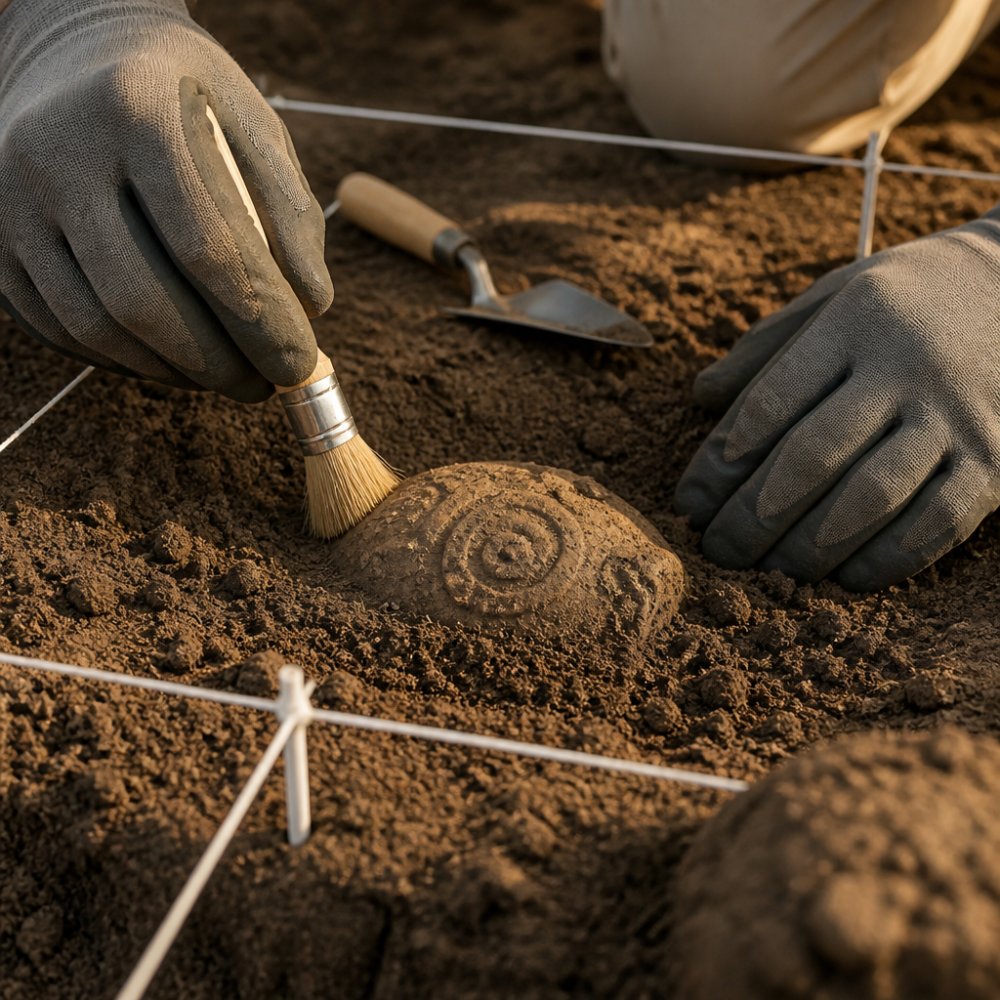
Consider a military button from a new War campsite. In the ground, its location might reveal where a tent stood or how the camp was organized. Once that button goes into a pocket, that information is gone, what professionals call historical data loss, and it is irreversible.
The distinction between relic hunting and archaeology comes down to methodology: archaeologists excavate slowly, document everything, and preserve context, while looting is the removal of artifacts for personal gain without regard for the site's scientific value.
Archaeological Resources Protection Act Summary: The Legal Backbone
The Archaeological Resources Protection Act, commonly called ARPA, is the primary federal law protecting archaeological resources on public land. Enacted in 1979, ARPA establishes criminal and civil penalties for the unauthorized excavation, removal, or damage of archaeological resources on federal land, which includes national forests, Bureau of Land Management areas, and military installations. The law covers artifacts more than 100 years old and defines archaeological resources broadly, including pottery, tools, weapons, and any material remains of past human life.
ARPA's enforcement mechanisms are substantial. Violations can result in civil penalties, criminal prosecution, and forfeiture of equipment used in the offense. The law also requires permits for any excavation or removal of archaeological resources from federal land, a process managed by the relevant land management agency. For the average hobbyist, the practical takeaway is simple: if you are on federal land and you dig up something historic, you are likely breaking the law.
The National Park Service's ARPA guidance provides detailed information on what constitutes an archaeological resource and how the permitting process works. Beyond ARPA, the Antiquities Act of 1906 remains the foundational statute, making it illegal to appropriate, excavate, or injure antiquities on federal land without permission. Together, these laws create a strong legal framework for heritage protection, and legal compliance is non-negotiable for anyone serious about the hobby.
Metal Detecting Laws by State 2026: A Regional Variation Guide
Federal law sets the baseline, but the patchwork of state and local regulations is where most detectorists inadvertently break the law.
The Three Primary State-Level Regulatory Models
State laws governing metal detecting on state-owned lands generally fall into one of three categories.
-
The Prohibitive Model: Many states, particularly in the Northeast and Mid-Atlantic, outright prohibit metal detecting in all state parks and historic sites. For example, New York's Office of Parks, Recreation and Historic Preservation generally prohibits the removal of any object of historic or archaeological interest from state parks. Similarly, Massachusetts regulations forbid the digging or removal of any archaeological artifact on state land without a permit from the State Archaeologist. In these states, the default assumption must be that detecting is illegal unless you have explicit, written permission.
-
The Permissive-With-Permit Model: A growing number of states, especially in the West and Midwest, allow metal detecting in designated areas of state parks, but require a permit or written authorization from the park manager. For instance, many state parks in California require a free, over-the-counter permit for metal detecting on beaches, but strictly prohibit it in cultural resource zones. Similarly, Michigan's Department of Natural Resources allows metal detecting in state parks but requires a permit for any activity that involves digging or disturbing the ground. The key here is that the permit often specifies the allowed locations and methods.
-
The Designated-Area Model: Some states, like Florida, take a more nuanced approach. While Florida law protects archaeological sites on state lands, it also designates certain beaches and recreation areas where metal detecting is permitted. However, even in these areas, any artifact that is over 50 years old or is deemed an archaeological specimen must be reported to the Florida Division of Historical Resources. This model balances recreational use with heritage protection, but it places a significant reporting burden on the hobbyist.
A Step-by-Step Research Protocol for Your State
Use this dynamic research protocol before you hunt any new state or county-managed property.
- Identify the Managing Agency: Determine whether your target location is a state park, state forest, state wildlife management area, or a county/city park. Each agency will have its own set of rules.
- Search the Agency's Website: Look for a "Rules & Regulations," "Cultural Resources," or "Frequently Asked Questions" page. Use specific search terms like "metal detecting" or "artifact collection" within the site's search function.
- Find the Specific Statute or Administrative Code: If the website is vague, search for the state's administrative code (e.g., "[State Name] Administrative Code metal detecting"). This will lead you to the exact legal text. For example, you might find a rule stating, "Collection of any cultural resource is prohibited except in areas designated by the park superintendent."
- Contact the State Historic Preservation Office (SHPO): The SHPO is the ultimate authority on archaeological resources in your state. Their website often has a directory of state archaeologists and a summary of relevant laws. A quick phone call to the SHPO can clarify any ambiguity and save you from a costly mistake.
- Call the Local Land Manager: As a final check, call the specific park office or ranger station. Ask the direct questions: "Is metal detecting allowed here?" "If so, are there restricted zones?" "Do I need a permit, and if so, how do I obtain one?" Getting a name and date for this conversation is invaluable if you are ever questioned.
County and Municipal Ordinances: The Overlooked Layer
Beyond state laws, county and municipal ordinances can impose even stricter rules. A city may prohibit metal detecting in its own parks, even if the state allows it in state parks. A county might have an ordinance protecting unmarked historic cemeteries. These local laws are rarely indexed on national databases, so check the municipal code for the specific city or county you plan to hunt.
The Metal Detecting Code of Ethics: Beyond Legal Compliance
The metal detecting code of ethics goes beyond what the law requires, representing a voluntary commitment to responsible behavior. While laws define the minimum standard, ethics define the standard we should aspire to.
At its heart, the code asks detectorists to be stewards of history rather than simply collectors of objects. This means filling every hole you dig, packing out trash you find, and recognizing that some targets should stay in the ground until professionals can examine them.
The code also encourages non-destructive exploration. Instead of digging every signal, learn to identify likely historic sites and report your findings to local archaeologists. Many detectorists now partner with researchers on legitimate projects, transforming relic hunting from a potential threat into a genuine asset.
How to Hunt Legally and Contribute to Preservation
Hunting legally is the baseline; contributing to preservation is the opportunity.
The Pre-Hunt Legal Checklist: A Five-Step Protocol
Follow this exact sequence before every outing to ensure you are operating within the law.
- Verify Land Ownership and Status: Use the Bureau of Land Management's National Public Lands Map or the U.S. Forest Service's Visitor Map to confirm whether your target area is federal, state, or private. For private land, you must obtain explicit written permission from the landowner, not just verbal consent. A simple permission slip that includes the date, your name, and the landowner's signature protects both parties.
- Check the Specific Agency's Regulations: Once you know the managing agency, navigate to its official website and search for its specific metal detecting policy. For federal lands, remember that ARPA applies universally. For state lands, use the research protocol outlined in the previous section.
- Secure the Required Permit: If a permit is required, obtain it in advance. Many state parks offer permits online or at the park office. Do not assume that a lack of a permit application means detecting is allowed; it often means it is prohibited.
- Prepare Your Documentation Kit: Before you leave home, pack a small notebook, a GPS unit or a GPS-enabled smartphone, and a measuring tape. You will need these to document any significant find properly.
- Establish a Finds Reporting Plan: Know in advance who you will contact if you find something historically significant. This is usually the land manager (for state/federal land) or the State Historic Preservation Office (SHPO). Having this contact information saved in your phone before you need it is critical.
The Citizen Science Pathway: From Hobbyist to Data Contributor
The most constructive evolution for the hobby is the formal integration of detectorists into archaeological research through citizen science. Here is how you can participate.
1. Partner with Professional Archaeologists
Instead of hunting alone, many detectorists now join formal partnerships with archaeologists. Organizations like the American Battlefield Trust have sponsored projects where volunteers use metal detectors to locate artifacts on battlefields, with professional archaeologists excavating and recording the finds. By joining such a project, you gain legal access to protected sites, learn proper methodology, and contribute directly to scholarly research. Search for "metal detecting volunteer archaeology" or contact your local SHPO to find active projects in your area.
2. Use Standardized Recording Protocols
When you do hunt legally on permissive land, your finds are only valuable to science if you record them properly. The standard protocol involves four key data points:
- GPS Coordinates: Record the precise location using a GPS unit or a smartphone app with high accuracy (within 3-10 feet).
- Depth: Measure the depth at which the artifact was found.
- Context: Describe the soil type (e.g., clay, sand, disturbed fill) and any associated features (e.g., near a foundation, under a tree root).
- Photograph: Take a clear photo of the artifact in situ (in its original position) before you remove it.
3. Report Finds to the Right Institution
If you find an artifact that appears to be over 100 years old, a projectile point, or any item that could be of archaeological significance, do not keep it. Report it immediately to the land manager or the SHPO. By reporting a find, you are not losing it; you are contributing to the historical record, and in many cases, you may be allowed to keep it after it has been documented and analyzed.
Equipment That Supports Preservation
Your choice of equipment can also support your preservation goals. Tools that minimize ground disturbance are always preferable. For example, a precision pinpointer allows you to locate a target with a small, precise plug, reducing damage to the surrounding soil and root systems. For more advanced exploration, ground-penetrating radar (GPR) units, such as the OKM Rover C4, allow you to identify buried structures and large objects without digging at all, preserving the site's integrity for professional investigation.

Conclusion: The Future of Our Hobby Depends on Respect
The future of metal detecting depends on the choices we make today. Every detectorist who ignores the law or digs without regard for context makes it harder for the rest of us to enjoy this rewarding hobby. Every detectorist who follows the rules strengthens the case for responsible access.
The regulations exist for a reason, and understanding that reason transforms compliance from a burden into a privilege. When we respect archaeological context, we are protecting the stories of those who came before us.
At Treasure Coast Detectors, we are committed to helping you hunt the right way. We offer expert guidance on choosing the right detector, access to high-quality equipment from trusted brands, and curated bundles that save you money. Our team provides support before and after purchase, and you can find everything you need in our top tier google store. Get started with Treasure Coast Detectors and discover the excitement of uncovering history responsibly.
Frequently Asked Questions
Can you metal detect on historic sites?
Generally, no. Metal detecting on historic sites is prohibited on federal and state land without a permit. The Archaeological Resources Protection Act (ARPA) makes it a crime to excavate, remove, or damage archaeological resources on public lands. Always check with the specific land management agency, like the National Park Service or the state's historic preservation office, before you start. Private property with the owner's written permission is your safest and most legal bet.
What is the Archaeological Resources Protection Act (ARPA)?
Passed in 1979, ARPA protects archaeological resources on federal land. It establishes civil penalties and criminal prosecution for unauthorized excavation, removal, or damage of artifacts older than 100 years. A key point of the ARPA summary is that it requires a permit for any activity that disturbs archaeological sites. The law also strengthens the earlier Antiquities Act of 1906, giving federal agencies clearer enforcement powers.
Are you allowed to keep what you find metal detecting?
It depends entirely on where you find it. On private property with the landowner's permission, you can usually keep what you find. However, removing artifacts from federal or state land is illegal under ARPA and can lead to civil penalties or criminal prosecution. Even on private land, if you uncover human remains or a burial ground, you are legally obligated to stop and contact local authorities immediately.
Why are metal detectors prohibited in national parks and forests?
These areas protect our shared cultural heritage for everyone. A metal detector cannot tell you if a target is a modern coin or a 1,000-year-old arrowhead. Digging without context destroys the archaeological record. The position of an artifact in-situ, its depth, and its association with other objects are crucial data points for historians. The law prioritizes preserving this information over individual collection.
Leave a comment